Machines that are being repaired, cleaned or adjusted can start up or release stored energy without warning. This guide explains how the lockout/tagout standard of the Occupational Safety and Health Administration (OSHA), 29 CFR 1910.147, is built, so maintenance staff and supervisors can follow the logic of their own site’s energy control program. It summarizes OSHA’s published text and is not a substitute for the regulation, an employer’s written procedures, manufacturers’ instructions or qualified personnel.
What the standard is for
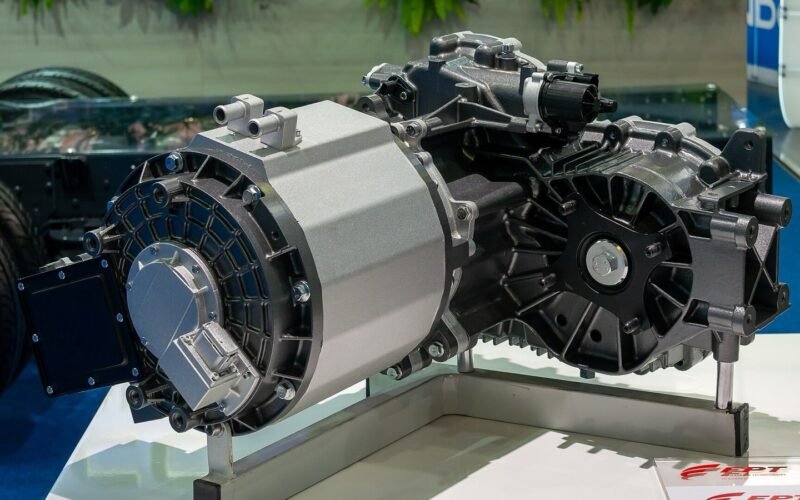
OSHA describes hazardous energy as energy from electrical, mechanical, hydraulic, pneumatic, chemical, thermal or other sources in machines and equipment. The agency says an unexpected startup or release of stored energy can cause electrocution, burns, crushing, cutting, amputation and fractures.
According to an OSHA fact sheet dated December 2022, craft workers, machine operators and laborers are among the three million workers who service equipment and face the greatest risk. The agency estimates that compliance with the standard prevents 120 fatalities and 50,000 injuries each year, and says workers injured by hazardous energy lose an average of 24 workdays recovering.
Scope and exceptions
Section 1910.147 covers servicing and maintenance in general industry. It excludes construction, agriculture, work covered by Parts 1915, 1917 and 1918, utility-controlled power generation, transmission and distribution installations, electrical hazards covered by Subpart S, and oil and gas well drilling and servicing. OSHA’s fact sheet notes that 29 CFR 1910.333 separately requires lockout and tagging practices for work on or near electric circuits.
Normal production work is covered only when a worker must remove or bypass a guard or safety device, or place part of the body in a point of operation or danger zone. Minor tool changes and adjustments are excluded if they are routine, repetitive, integral to production and done with alternative measures that give effective protection. Cord-and-plug equipment is excluded when unplugging controls the hazard and the plug stays under the worker’s exclusive control.
Key terms
- Authorized employee: the person who locks or tags out a machine to service it.
- Affected employee: someone who operates the equipment being serviced or works where servicing happens.
- Energy isolating device: a mechanical device that physically prevents the transmission or release of energy, such as a circuit breaker, disconnect switch, line valve or block. Push buttons and selector switches do not qualify.
- Lockout and tagout devices: a lockout device uses a positive means such as a lock; a tagout device is a prominent warning, such as a tag.
Lock or tag
If an energy isolating device can be locked out, the regulation requires lockout unless the employer can show that tagout gives full employee protection. The tag must go where the lock would have gone, with added measures such as removing a circuit element or a valve handle. Equipment that is new or substantially modified after January 2, 1990, must be able to accept a lockout device.
The six steps for applying controls
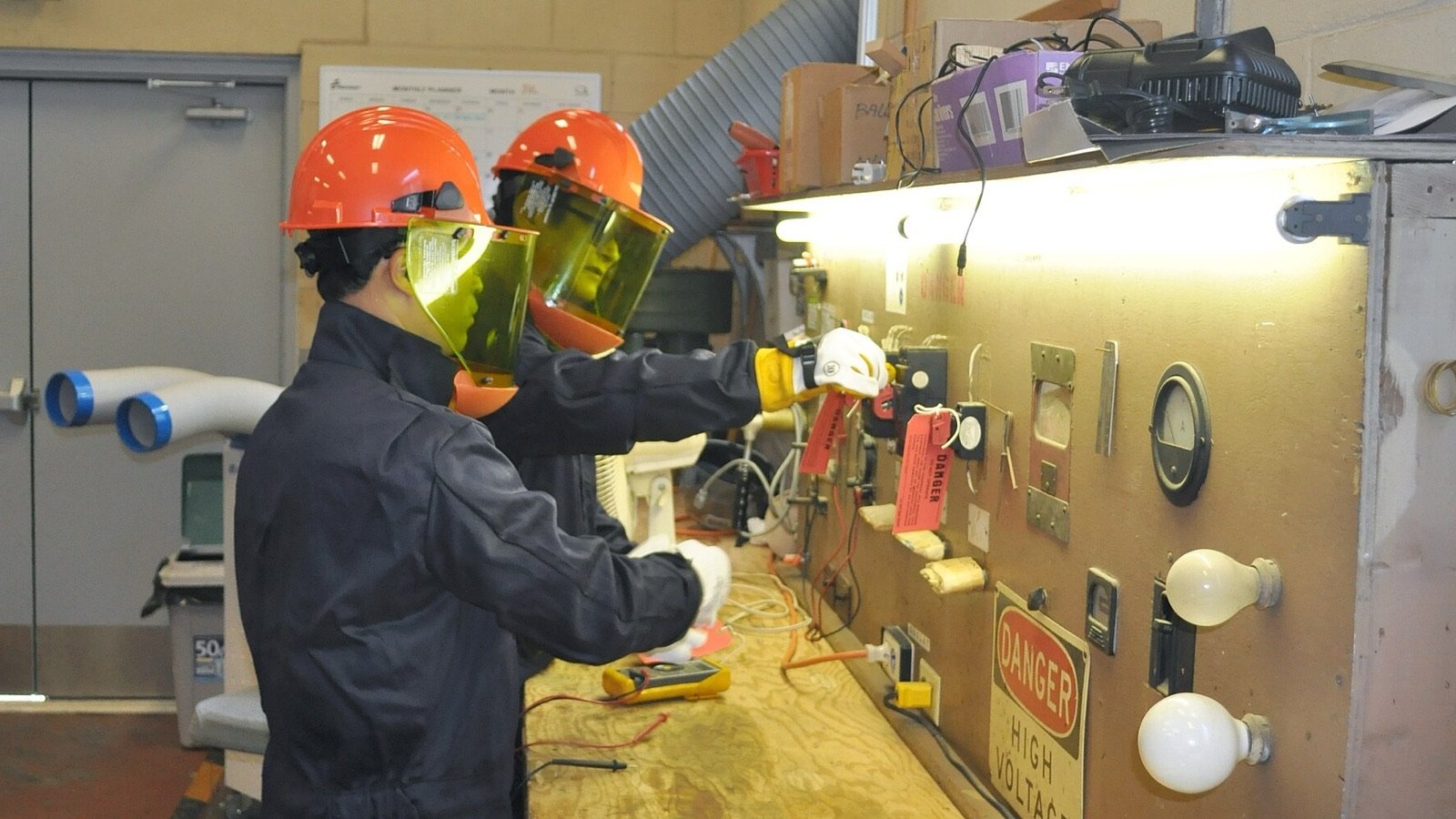
- Preparation: the authorized employee learns the type and magnitude of the energy, its hazards and how to control it.
- Shutdown: the machine is stopped using its established procedure, in an orderly way.
- Isolation: every energy isolating device needed is located and operated.
- Device application: authorized employees attach locks or tags to each isolating device, holding it in a “safe” or “off” position.
- Stored energy: residual energy is relieved, disconnected, restrained or otherwise made safe. If it could build up again, verification continues until that risk ends.
- Verification: before work begins, the authorized employee confirms the equipment is isolated and deenergized.
Release and restart
Before devices come off, the authorized employee checks that nonessential items are cleared, components are intact and everyone is safely positioned. Affected employees must be told the devices are off before startup. Each device must be removed by the person who applied it. If that person is unavailable, the employer may remove it only under a documented procedure that includes verifying the person is not at the facility, trying to reach them and making sure they know before they return to work.
What the employer’s program must include
- Written energy control procedures with specific steps for shutdown, isolation, blocking, placing and removing devices, and testing to verify the controls work. A narrow documentation exception applies only when eight listed conditions are all met.
- Locks and tags that are durable, standardized, substantial and identify who applied them. Tag attachments need an unlocking strength of at least 50 pounds.
- An inspection of each procedure at least annually by an authorized employee not using it, with written certification.
- Training for authorized, affected and other employees, with retraining when jobs, equipment, hazards or procedures change.
- Procedures for group lockout, shift changes and outside contractors.
Common problems
- Treating a tag as a lock. Workers must be trained that tags are warnings and do not provide the physical restraint of a lock.
- Stopping at the control panel. A push button or selector switch is not an energy isolating device.
- Skipping stored energy or verification. Residual energy must be dealt with after devices go on, and isolation confirmed before work starts.
- Removing someone else’s lock. Outside the documented exception, only the person who applied a device may remove it.
- Stretching the minor servicing exception. It covers only routine, repetitive tasks integral to production with effective alternative protection.
- Contractor gaps. On-site and outside employers must inform each other of their procedures.
The appendix to 1910.147 is a non-mandatory guide for writing procedures. Construction, marine terminal and electric power work fall under other OSHA standards listed on the agency’s hazardous energy page.