U.S. construction spending rose 0.9% in August from July to a seasonally adjusted annual rate of $2,203.1 billion, the U.S. Census Bureau reported on October 1, 2026. The gain still left spending 1.7% below its August 2025 level, and contractor groups said much of the momentum came from a single segment: data centers.
The Census Bureau published a margin of error of plus or minus 1.0% on the monthly change and plus or minus 1.5% on the year-over-year decline. July spending was revised to $2,184.5 billion. For the first eight months of 2026, construction spending totaled $1,450.4 billion, 3.1% below the $1,496.6 billion recorded in the same period of 2025.
Private and public totals
Private construction ran at a seasonally adjusted annual rate of $1,655.3 billion in August, 1.1% above July. Residential spending was $882.3 billion, up 1.1%, and private nonresidential spending was $773.0 billion, up 1.0%. Public construction was $547.8 billion, 0.2% above the revised July estimate.
The Associated General Contractors of America (AGC), in its analysis of the release, said private residential spending was 4.8% below August 2025. Single-family construction edged up 0.2% from July but was down 3.5% year over year, while multifamily construction also rose 0.2% for the month and was 0.6% lower than a year earlier.
Data centers carry nonresidential
The Associated Builders and Contractors (ABC) calculated that total nonresidential spending, private and public combined, rose 0.7% in August to a seasonally adjusted annualized $1.309 trillion. Spending rose in 11 of the 16 nonresidential subcategories, ABC said, with private nonresidential spending up 1.0% and public nonresidential spending up 0.2%.
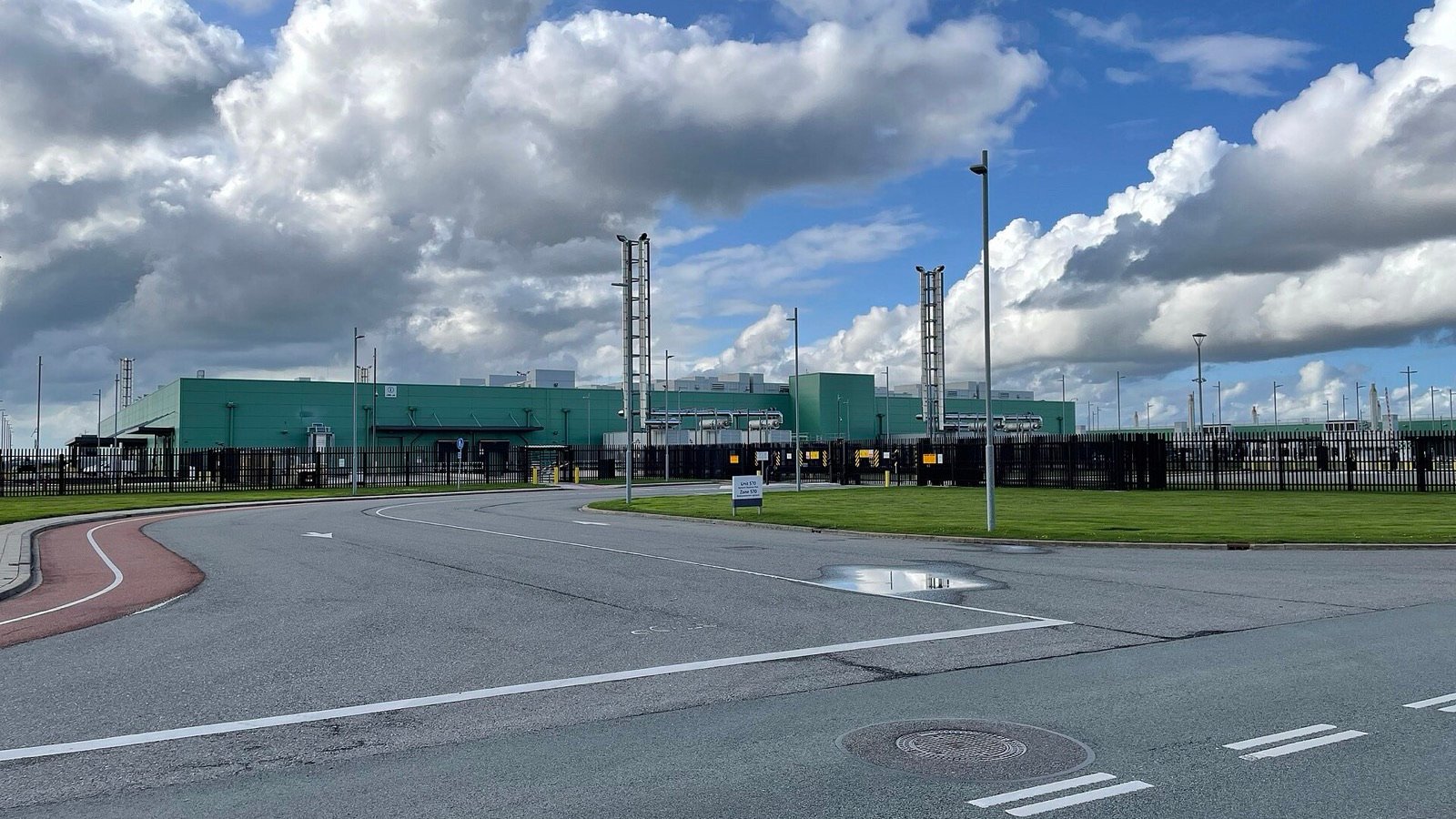
The Census Bureau counts data centers within private “office” construction. AGC said that category jumped 4.6% from July and 30% year over year, but the increase came entirely from data centers, which rose 7.5% for the month and 73% over 12 months. Other private office construction was unchanged from July and 9.4% lower than a year earlier. ABC said data center spending has grown at a 149% annualized pace since March.
“Nonresidential construction spending increased for the fifth consecutive month in August as data center investment accelerates,” said ABC Chief Economist Anirban Basu. “Frankly, it’s becoming difficult to contextualize the size and speed of this boom.”
Other private segments were mixed. AGC said manufacturing construction, the largest private nonresidential category, was unchanged in August following a long string of declines and remained 20% below its year-earlier total; ABC described manufacturing as expanding on a monthly basis for the first time since January. Power construction, which includes oil- and gas-related projects, rose 0.9% for the month and nearly 10% over 12 months, according to AGC.
Public categories
Public construction spending was 2.5% higher than a year earlier, AGC said. Highway and street construction, the largest public category, rose 0.1% from July and was 4.4% above August 2025. Public educational spending rose 0.1% for the month and 1.3% over 12 months. Spending on transportation facilities such as airports slipped 0.1% from July but was up 4.4% year over year, and sewage and waste disposal spending climbed 0.2% for the month and 1.3% from a year earlier.
Why it matters
The August figures describe an industry growing in a narrow band. Year-to-date spending remains 3.1% below 2025, residential and manufacturing construction are below year-earlier levels, and data centers and power account for much of the growth in private nonresidential work. Basu said momentum “will likely remain confined to the data center and power categories in the months to come,” pointing to materials and labor cost escalation that he said reemerged in the second half of 2026 and to a recent surge in Treasury yields that he expects to keep pushing borrowing costs higher.
Ken Simonson, AGC’s chief economist, said it was “encouraging to see several construction segments stabilized or turned positive in August,” but added that all of them “remain at risk of stagnating or shrinking as workforce shortages continue to grow, materials costs and interest rates continue to increase, and gridlock in Congress continues to undermine federal funding for highway and transit programs.”
What to watch
AGC said the short-term federal highway funding extension that took effect on October 1 does not include funding for some programs, such as the Bridge Formula Program, which the association said will lead to a decrease in federal infrastructure funding. It urged Congress to pass a new long-term bill promptly after Election Day.
“Congress is leaving until November without providing adequate funding for needed highway improvements,” said Jeffrey D. Shoaf, AGC’s chief executive officer. “The current short-term extension leaves some programs short of money.”
The Census Bureau’s release schedule lists September construction spending data for November 2 at 10:00 a.m., followed by October data on December 1.
The caveats
Monthly construction spending figures are estimates that are revised as more data arrive; AGC noted that the July rate was revised upward in this release. The published margins of error on the monthly residential change (plus or minus 1.3%) and the public change (plus or minus 2.0%) are larger than the changes themselves. Segment-level percentages in this report come from the AGC and ABC analyses of the Census data, and the two groups characterized August manufacturing activity differently.